
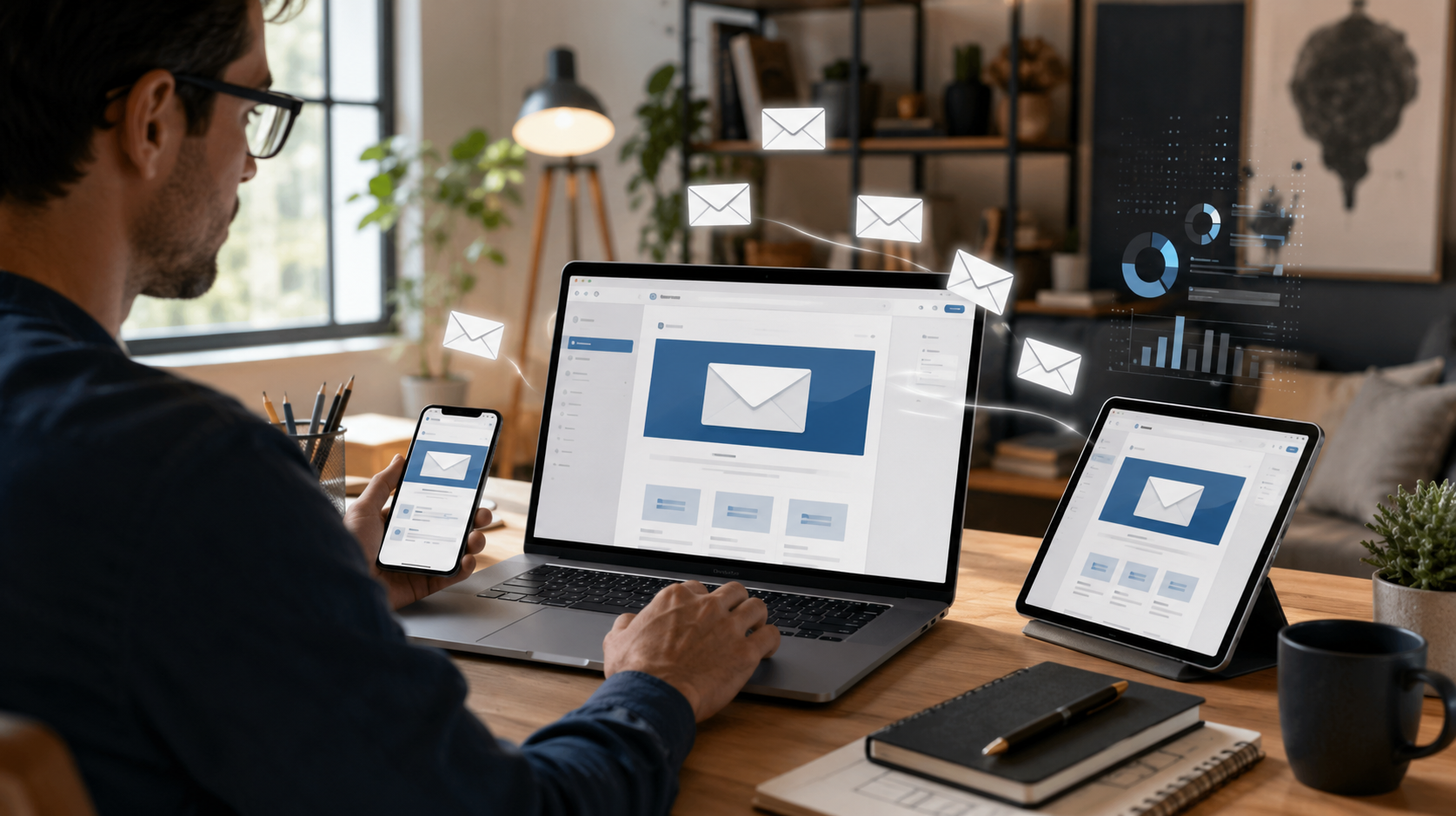
Email marketing sends relevant messages to people who have agreed to hear from a brand. Unlike broad advertising, it starts with a known audience: subscribers, customers, leads, or users who shared their email address and gave permission to receive communication.
That makes email useful across the customer journey. A welcome email can introduce the brand. An abandoned-cart reminder can bring a shopper back. After a purchase, email can support onboarding, repeat orders, reviews, and loyalty.
The advantage becomes even clearer when a store carries many variations of a product. Someone looking at raspberry options may not be interested in the same message as a customer browsing pineapple snus or another flavor. Email allows those interests to shape what the subscriber sees next, instead of forcing every person through the same generic campaign.
Why email marketing still works
The main advantage is control. Brands do not have to depend entirely on a social feed or advertising algorithm to reach their audience. They can communicate directly with subscribers and adjust messages based on what those people do.
Email also remains a strong revenue channel. Current industry research puts the average return at about $36 for every $1 spent, although results vary by industry, list quality, offer, and strategy. The return comes from sending better emails to the right people.
How targeting works
Modern email marketing is built around segmentation. Instead of sending one generic newsletter to the entire database, marketers group subscribers by signals such as interests, purchase history, lifecycle stage, location, or previous interactions.
A new subscriber may need an introduction. A loyal customer may respond better to early access or a relevant recommendation. Someone who viewed a product but did not buy may need more information or a reminder.
Automation makes this possible at scale. Emails can be triggered by actions such as signing up, buying, abandoning a cart, reaching a milestone, or becoming inactive. The message arrives because something happened, not simply because it is time to send another campaign.

What makes an email effective
A strong email usually has one clear job. The subject line earns attention, the opening explains why the message matters, and the body leads to a useful next step. That might be reading an article, completing a purchase, booking a demo, updating preferences, or replying.
Personalization can help, but adding a first name is only the surface. Better personalization uses context. The content should reflect what the subscriber cares about and where they are in the relationship with the brand.
Getting into the inbox matters
Even excellent copy is useless if the message lands in spam. Deliverability depends on sender reputation, list quality, and technical setup. Authentication methods such as SPF, DKIM, and DMARC help mailbox providers verify the sender.
Permission matters too. Subscribers should be able to opt out easily, and promotional messages need a clear unsubscribe path. Brands also need to monitor spam complaints and remove invalid or consistently inactive addresses. A smaller, responsive list is often more useful than a large list of people who do not want the emails.
How to measure email marketing
Open rate is useful for spotting broad trends, but it should not be the final measure of success. Privacy features in some email clients can inflate or obscure opens, so marketers need to look further.
Clicks show whether the content created enough interest for someone to act. Conversion rate shows whether that action produced the desired result. Revenue, unsubscribe rate, spam complaints, bounce rate, and deliverability give a fuller picture.
The right metric depends on the goal. A welcome sequence may be judged by activation. A sales email may be measured by conversions and revenue. A newsletter may focus on clicks, replies, and continued engagement.
Email marketing works when it feels relevant
Email is not a loudspeaker for sending the same promotion to everyone. It works best as a permission-based conversation supported by data, automation, testing, and good judgment.
Build a list of people who want to hear from you. Learn what they care about. Send messages that match their needs and behavior. Then measure what happens after the email reaches the inbox. That is how email marketing turns a subscriber list into a long-term customer relationship.